
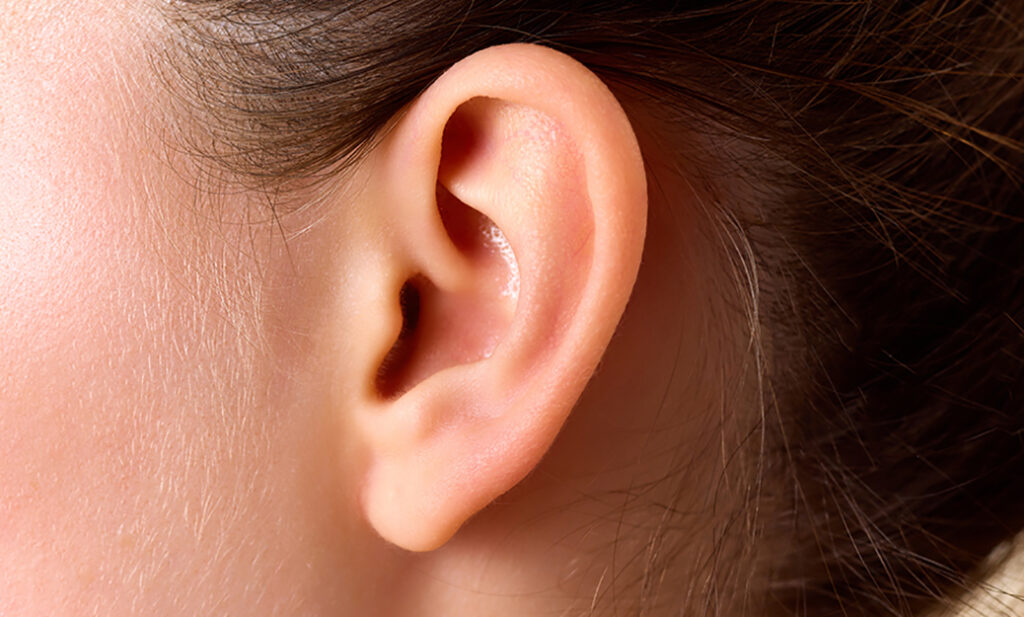
Precision Refinement & Beautiful Balance
Do you or your child feel self-conscious about ears that are prominent, uneven, or asymmetrical? Otoplasty, also known as cosmetic ear surgery, can improve the shape, position, and balance of the ears for a more harmonious appearance. Using advanced techniques and specialized expertise in ear anatomy and facial plastic surgery, Dr. Joseph carefully reshapes and repositions the ear cartilage to create natural-looking results. Whether we’re helping a child feel more confident during their school years or enhancing facial balance for an adult, otoplasty offers a long-term solution that allows your features, not just your ears, to take center stage.
Quick Facts
The Procedure
Cosmetic ear surgery begins with a precise understanding of the ear’s delicate cartilage-based framework. To correct ears that protrude, are asymmetrical, or lack natural definition, we need to reshape the structural tissue from behind. The procedure is typically performed under local anesthesia with sedation for adults, or general anesthesia for children. Our surgeons create a discreet incision within the natural crease, where the back of the ear meets the head. This strategic placement ensures that once healed, any resulting scar is hidden from both front and profile views.
Using specialized sculpting techniques, Dr. Joseph gently bends, reshapes, or reduces the underlying auricular cartilage. For ears that lack a defined shape, often due to a missing antihelical fold, we use sutures to bend and secure the cartilage into a more natural, rounded contour. If the conchal bowl (the deep, cup-like hollow of the outer ear) is oversized or projecting too far forward, we’ll trim a small portion of the cartilage or anchor the entire structure closer to the scalp. Instead of pulling the ear back flat against the head, we focus on restoring realistic, three-dimensional curves for a natural look.
Recovery
Immediately following this procedure, a soft, supportive dressing is placed around the head to protect the ears, minimize swelling, and keep them securely in their newly sculpted position. Within a week, this bulky wrap is replaced by a lightweight headband to prevent the ears from bending forward for several days. Most patients experience mild soreness and bruising, and patients usually return to their daily routines within five to seven days. Because our advanced techniques prioritize anatomical reconstruction over superficial tension, the results are immediate and permanent, for a more proportional, natural silhouette.
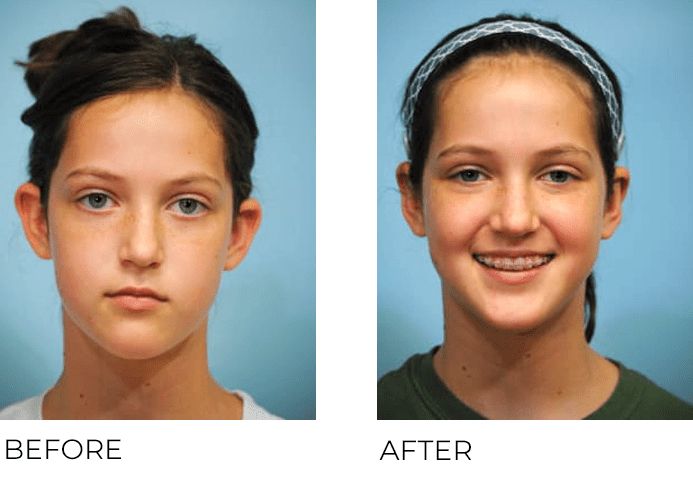
What to Expect on
Your First Visit
Your initial consultation will explore facial symmetry and internal structures. The surgeon carefully analyzes the unique folds, cartilage projection, and three-dimensional angles of your ears in relation to your facial profile. Using precise anatomical mapping and real-time mirror assessments, we can show you how subtle structural adjustments can create a more balanced, understated frame for your face. You’ll leave your consultation with a custom surgical plan, fully understanding how we reshape the ear tissue while keeping your natural character intact.
Frequently Asked Questions
Otoplasty can be performed as early as age five or six. By this stage in a child’s development, the ear cartilage is roughly 85-90% fully grown and has become firm enough to hold sutures securely. Performing the procedure around this age, before a child enters grade school, can prevent the psychological distress or teasing that sometimes accompanies prominent ears. However, there is no upper age limit; we regularly perform otoplasty on teenagers and adults who have waited years to address their concerns.
A poorly performed ear surgery can create a “pinned back” or stretched appearance that looks unnatural, but our surgeons prioritize natural, three-dimensional proportions. When our surgeons recontour the cartilage, we make sure that the outer rim of the ear (the helix) remain slightly visible behind the inner fold from the frontal view. We want to recreate the natural angles of the ear, so the results are always balanced and inconspicuous.
We only place these incisions within the natural, shadowed groove where the back of the ear meets the side of the head. Because the incision is tucked into this crease, the resulting scar is exceptionally well-hidden from almost every angle, even for patients with short hair or those who wear their hair pulled back. Once fully healed, the scar fades to a thin, faint line that is incredibly difficult to see.
The choice of anesthesia depends on the patient’s age and comfort level. For young children, we perform otoplasty under general anesthesia so they can sleep peacefully and remain completely still throughout the surgery. For teenagers and adults, the procedure is highly tolerated using local anesthesia combined with intravenoussedation. This numbs the area entirely and keeps you deeply relaxed, ensuring a completely pain-free and comfortable experience.
After surgery, you’ll need to wear a soft, snug head dressing for the first 3 to 5 days to protect the newly shaped ears and minimize swelling. Once we remove this initial wrap, you’ll transition to a soft, elastic headband. Patients are required to wear this headband at night while sleeping for an additional 8 to 12 weeks. This prevents the ears from accidentally bending forward while the internal cartilage sutures are still healing.
Yes, the structural changes made during cosmetic ear surgery are permanent. During the procedure, we reshape the ear cartilage and secure it with permanent internal sutures to hold them in place. Over the first few months, your body’s natural healing process creates strong, supportive scar tissue around the reshaped cartilage, locking the ears into their new position. Once the healing phase is complete, your ears will maintain their beautiful, balanced shape for the rest of your life.
Most patients can return to non-contact daily activities, school, or desk work within 5 to 7 days as long as they’re able or comfortable enough to wear the protective headband during the healing phase. Patients should avoid strenuous exercise, heavy lifting, and swimming for at least 6 weeks.